
It is narrated in the narrations that the Holy Quran is “like the sun that rises every day in a new form.” In analyzing the situation today, the closest example of the Quranic verses is found in the events of the Battle of Ahzab and before that the Battle of Badr.
When the Muslim army set out, two caravans were facing them: one a trading caravan and the other an armed army of the Quraysh. The Quran says:
وَإِذْ يَعِدُكُمُ اللَّهُ إِحْدَى الطَّائِفَتَيْنِ أَنَّهَا لَكُمْ وَتَوَدُّونَ أَنَّ غَيْرَ ذَاتِ الشَّوْكَةِ تَكُونُ لَكُمْ (الأنفال: 7)
The Muslims were about a third as numerous as the infidels and did not have much military equipment. Naturally, the Muslims wanted the trade caravan to fall into their hands, but God’s will was that they face the enemy army so that He would establish the truth with His commands and cut off the roots of the disbelievers:
وَيُرِيدُ اللَّهُ أَنْ يُحِقَّ الْحَقَّ بِكَلِمَاتِهِ وَيَقْطَعَ دَابِرَ الْكَافِرِينَ (الأنفال: 7)
The phrase “God willing” shows that this was God’s wisdom and plan until the decisive stage arrived and the enemy’s roots were cut off.
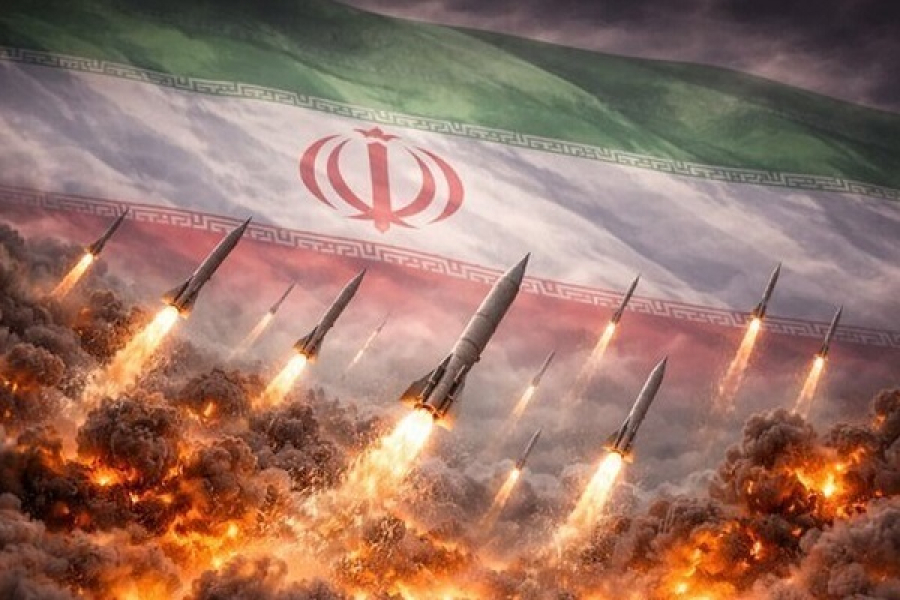
In today’s situation in Iran, there were also two ways: negotiation or war. Given the negative consequences of reason and war, the path of negotiation was more preferable for Iran and the entire region, but God’s destiny was that the enemy would overturn the negotiating table in the face of reason and take the step of martyring the Leader of the Islamic Revolution, Iranian commanders, children, and women.
However, God’s tradition is that honor and glory belong to the believers and that ultimately the military power of the Zionist regime, the murderer of enemies and children, and all its supporters would be destroyed.