
Introduction
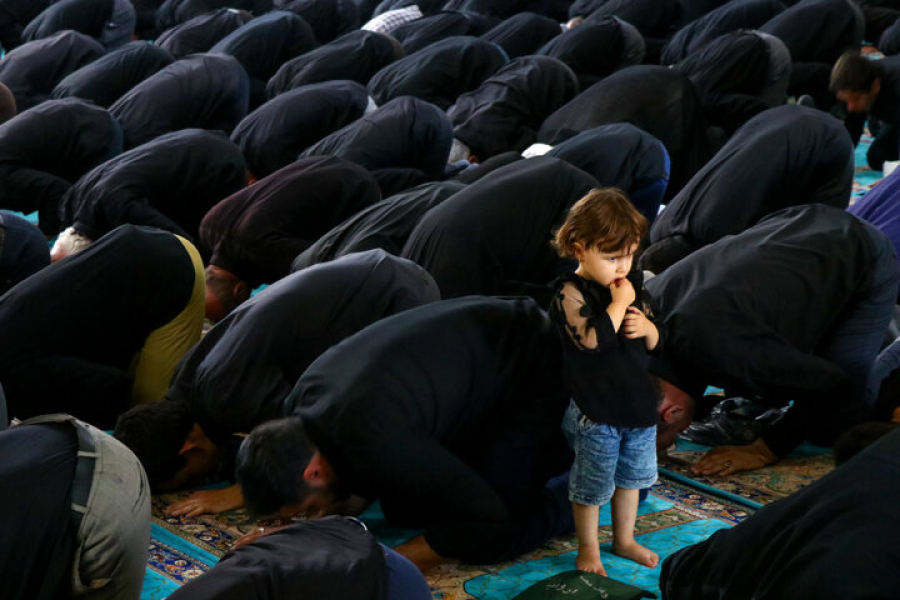
Prostration (sujood) is one of the fundamental acts of worship in Islam and represents humility and submission before Almighty God. In Twelver Shi’a jurisprudence, particular attention is given not only to the act of prostration itself but also to the material on which the forehead is placed.
Shi’a Muslims generally hold that, under normal circumstances, the forehead should rest on the earth or on materials that grow from the earth and are not ordinarily consumed as food or worn as clothing. Although the Qur’an emphasizes the importance of prostration, it does not explicitly command Muslims to use a particular object known as a mohr or turbah. The detailed rules concerning the material used for prostration are derived primarily from narrations attributed to the Prophet Muhammad (peace be upon him and his family) and the Imams of the Ahl al-Bayt.
1. Verses of the Qur’an Concerning Prostration
1.1. Surah al-Hajj, Verse 77
«“O you who believe, bow down, prostrate yourselves, worship your Lord, and do good, so that you may succeed.”»
Reference: The Holy Qur’an, Surah al-Hajj (22:77).
This verse emphasizes the importance of prostration as an act of worship and devotion to God. However, it does not specify the material on which the forehead must rest.
1.2. Surah al-‘Alaq, Verse 19
«“No! Do not obey him. Rather, prostrate yourself and draw near to God.”»
Reference: The Holy Qur’an, Surah al-‘Alaq (96:19).
This verse connects prostration with spiritual closeness to God. It highlights the devotional significance of sujood rather than prescribing a particular surface for it.
1.3. Surah Fussilat, Verse 37
«“Among His signs are the night and the day, the sun and the moon. Do not prostrate yourselves to the sun or to the moon, but prostrate yourselves to God, who created them, if it is Him whom you worship.”»
Reference: The Holy Qur’an, Surah Fussilat (41:37).
This verse establishes that prostration as an act of worship belongs to God alone. It does not directly address the material used during prayer.
1.4. Surah al-Ra‘d, Verse 15
«“To God prostrates whoever is in the heavens and the earth, willingly or unwillingly, as do their shadows in the mornings and evenings.”»
Reference: The Holy Qur’an, Surah al-Ra‘d (13:15).
This verse describes the universal submission of creation to God. It reinforces the significance of prostration but does not prescribe the use of a particular object.
1.5. Surah Ta-Ha, Verse 55
«“From it We created you, into it We shall return you, and from it We shall bring you forth once again.”»
Reference: The Holy Qur’an, Surah Ta-Ha (20:55).
This verse refers to humanity’s creation from the earth, return to it after death, and resurrection from it. It is sometimes mentioned in discussions about the spiritual symbolism of the earth. Nevertheless, it is not a direct command to prostrate on soil or to use a prayer seal.
2. The Relationship Between the Qur’an and Shi’a Jurisprudence
The Qur’an commands believers to prostrate before God, but it does not provide a detailed list of all materials permissible for prostration. In Shi’a jurisprudence, such practical details are understood through the teachings attributed to the Prophet and the Imams of the Ahl al-Bayt.
Accordingly, the use of a small piece of earth or a clay tablet during prayer is not based on a Qur’anic verse explicitly requiring a prayer seal. Rather, it is a practical means of observing the rules concerning the surface on which the forehead rests.
Conclusion
The Qur’an establishes the importance of prostration, humility, and devotion to Almighty God. However, the verses discussed above do not explicitly command the use of a mohr or turbah. The specific rules concerning the material used for prostration in Twelver Shi’a jurisprudence are principally based on hadith and the legal interpretations derived from them.
Primary sources: The Holy Qur’an, Surah al-Hajj (22:77), Surah al-‘Alaq (96:19), Surah Fussilat (41:37), Surah al-Ra‘d (13:15), and Surah Ta-Ha (20:55).