
Introduction
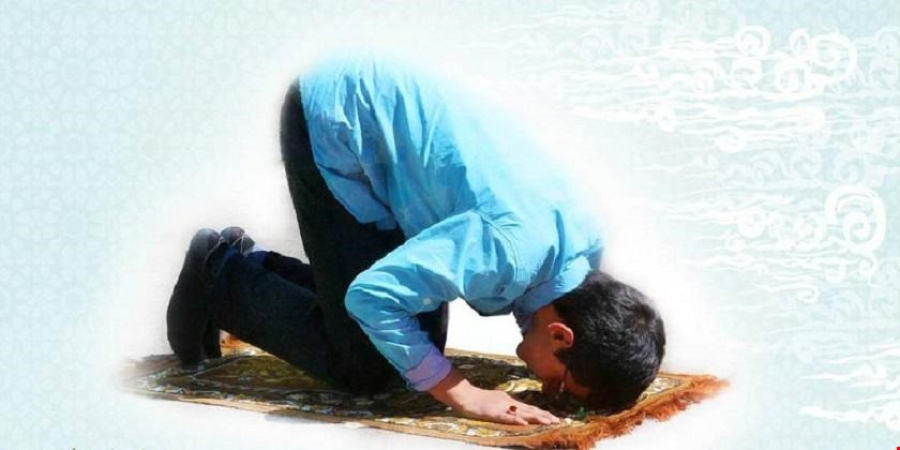
One of the visible differences between many Twelver Shi’a Muslims and some other Muslim communities is the use of a small clay tablet, commonly called a mohr or turbah, during prayer.
This practice is sometimes misunderstood as worshipping a piece of clay or believing that a particular object is required for prayer. In Shi’a jurisprudence, however, the tablet is not worshipped. It is used as a surface on which the forehead rests during prostration.
To understand this practice, it is important to distinguish between the act of worship, the material used for prostration, and the legal rules governing that material.
1. What Is a Mohr?
A mohr is usually a small, solid piece of dried clay or earth. It provides a convenient surface for the forehead during prostration, particularly when prayer is performed on carpets, rugs, or other textile coverings.
The use of a mohr is not, in itself, the essence of prayer. Its function is to make it possible to observe the relevant rules regarding the material on which the forehead is placed.
A worshipper may also prostrate directly on suitable natural surfaces, provided the applicable religious conditions are met.
2. Is Using a Mohr Explicitly Commanded in the Qur’an?
The Qur’an repeatedly commands believers to prostrate before God. For example:
«“Rather, prostrate yourself and draw near to God.”»
Reference: The Holy Qur’an, Surah al-‘Alaq (96:19).
However, the Qur’an does not explicitly state that Muslims must use a clay tablet during prayer. The detailed rules about permissible prostration surfaces are derived from hadith and their interpretation within Islamic jurisprudence.
It is therefore more accurate to say that the use of a mohr is a practical means of complying with a jurisprudential ruling, rather than a separate Qur’anic obligation.
3. Why Is Prostration on a Carpet Generally Not Accepted in Twelver Shi’a Jurisprudence?
According to the standard ruling in Twelver Shi’a jurisprudence, the forehead must ordinarily rest on the earth or on materials that grow from the earth and are not normally eaten or worn.
A typical carpet is made from textile materials, such as wool or synthetic fibers, and does not ordinarily meet these conditions. A clay tablet offers a straightforward way to comply with the rule when praying on a carpet.
This explanation concerns the material beneath the forehead. It does not mean that carpets are inherently impure or that praying in a carpeted room is prohibited.
Specific rulings can differ according to the material involved, necessity, and the legal opinions of an individual’s religious authority.
4. Is the Mohr Worshipped?
No. In Twelver Shi’a Islam, worship is directed to Almighty God alone. The clay tablet is not regarded as a deity, nor is prostration intended as an act of worship toward the clay.
The distinction is between prostrating on an object and prostrating to an object. The forehead rests on the tablet, while the worshipper’s intention and devotion are directed toward God.
This distinction is essential to understanding the practice correctly.
5. Is Using a Mohr Obligatory?
The specific clay tablet is not obligatory in itself. What matters under the standard Twelver Shi’a ruling is that the material used for the forehead satisfies the requirements for a valid prostration.
A worshipper can therefore use a suitable natural surface instead of carrying a mohr, provided that the surface meets the relevant conditions.
The clay tablet is popular because it is portable, practical, and easy to use in places where the floor is covered with materials that do not qualify for prostration.
Conclusion
The use of a mohr in Twelver Shi’a prayer is a practical expression of the jurisprudential rules concerning prostration. It is not worship of the tablet, nor is the tablet itself an independent requirement of prayer.
The central principles are that prostration is directed to God alone and that the forehead must rest on a surface permitted by the applicable religious rulings.
Primary sources: The Holy Qur’an, Surah al-‘Alaq (96:19); Shaykh al-Saduq, ‘Ilal al-Shara’i; Shaykh al-Tusi, Tahdhib al-Ahkam; al-Hurr al-‘Amili, Wasa’il al-Shi’a.