
Introduction
Hajj al-Tamattu‘ is not merely a collection of religious rituals such as entering ihram, performing Tawaf, Sa‘i, and standing at ‘Arafat and Muzdalifah. Rather, it is a comprehensive program for human spiritual development and for strengthening solidarity among Muslims. Through the institution of Hajj, Allah invites human beings on a spiritual journey during which they temporarily distance themselves from their ordinary lives and worldly attachments and, by visiting the Holy Land, gain an opportunity to reflect upon and reform their lives. Among the different forms of Hajj, Hajj al-Tamattu‘ is considered the obligatory form of Hajj for many Muslims, particularly according to Shi‘i jurisprudence. Examining its necessity and philosophy demonstrates that the obligation of Hajj al-Tamattu‘ is not merely a legal ruling but also has profound individual and social effects.
Hajj al-Tamattu‘: An Obligation for the Capable Believer
The obligation of Hajj is explicitly established in the Holy Qur’an. In verse 97 of Surah Al ‘Imran, Allah declares pilgrimage to the House to be a duty for those who are able to undertake the journey. Therefore, when the conditions of istita‘ah are fulfilled, Hajj becomes a religious obligation. According to Shi‘i jurisprudence, Hajj al-Tamattu‘ is the prescribed form of Hajj for those who live far from Mecca. Consequently, a person who meets the necessary legal conditions cannot simply disregard this obligation because of ordinary difficulties or everyday responsibilities.
The Role of Hajj al-Tamattu‘ in Spiritual Development
One of the most important purposes of Hajj is the moral and spiritual development of the human being. By wearing the simple garments of ihram, the pilgrim sets aside many outward distinctions and social privileges. The clothing of ihram symbolizes the equality of all human beings before God. Through this experience, the individual learns that a person’s true worth does not depend on wealth, social position, race, or worldly status; rather, piety and devotion to God are the true measures of human value.
The rituals of Hajj also carry important spiritual messages. Tawaf symbolizes placing one’s life around the axis of monotheism, while Sa‘i between Safa and Marwah reminds believers of effort, perseverance, and hope. Standing at ‘Arafat and spending time at Muzdalifah provide valuable opportunities for supplication, reflection, repentance, and deeper communication with God.
The Social Effects of Hajj al-Tamattu‘
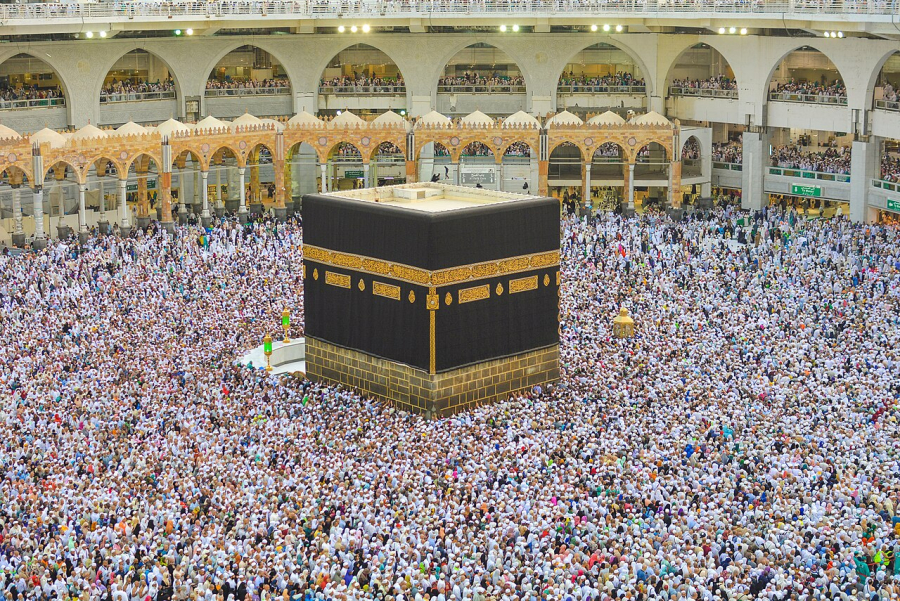
In addition to its individual spiritual effects, Hajj creates one of the largest gatherings of Muslims in the world. Believers from different countries, cultures, and social backgrounds come together in the same place and perform the same religious rituals. This gathering can create opportunities for greater understanding among Muslims and strengthen the sense of brotherhood and Islamic solidarity.
During Hajj, economic and social distinctions are symbolically set aside, and all believers stand before God as equals. Such an experience can transform a person’s understanding of society, justice, human dignity, and social responsibility.
Conclusion
Hajj al-Tamattu‘ is a religious obligation that possesses spiritual, educational, moral, and social dimensions. Its obligation for a person who possesses the necessary conditions demonstrates the special importance of this act of worship in Islam. Through Hajj, a believer not only fulfills a religious duty but also has an opportunity to distance himself or herself from sins and excessive worldly attachments and to strengthen the relationship with God. At the same time, the gathering of Muslims in the Holy Land can contribute to greater unity, compassion, and brotherhood within the Islamic community. Therefore, Hajj al-Tamattu‘ can be understood as an act of worship whose purpose extends beyond performing a series of prescribed rituals: it seeks to develop more devoted individuals and contribute to a more united Muslim community.