
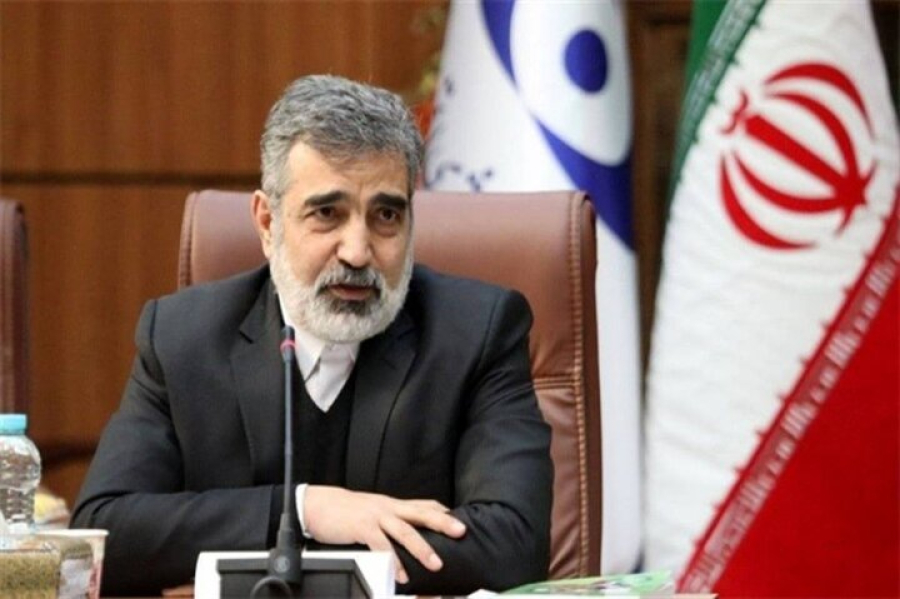
The spokesperson and Deputy for International, Legal, and Parliamentary Affairs at the Atomic Energy Organization of Iran (AEOI), speaking on the "Jahan-e Emrooz" (Today’s World) program on the News Network, outlined the global importance of developing nuclear energy. He also explained the objectives and significance of the Iranian delegation's participation in the international conference on nuclear power held in South Korea. He noted that the global nuclear industry is divided into two sectors: energy and non-energy. Nuclear medicine, agriculture, and industrial applications fall under the non-energy sector, while the generation of nuclear electricity constitutes a major part of the nuclear industry.
He added that the sixth ministerial conference on nuclear energy is currently underway in South Korea. One reason for the heightened attention toward this subject in recent years may be global environmental challenges—issues that have become a serious concern for the international community and have further underscored the necessity of shifting toward nuclear energy.
Kamalvandi continued: Nuclear energy enables electricity generation with extremely low pollution (zero carbon emissions), playing a significant role in reducing pollutants. During the 29th environmental summit, a decision was reached to triple global nuclear power generation capacity. Currently, approximately 400,000 megawatts of nuclear electricity are produced worldwide, with Iran’s share accounting for about 1,000 megawatts. According to the outlined plans, this capacity is set to triple—meaning that, globally, the equivalent of roughly 1,200 power plants similar to the Bushehr Nuclear Power Plant would need to be constructed to help mitigate environmental problems. The spokesperson for the Atomic Energy Organization of Iran (AEOI) emphasized that, given the advancement of modern technologies—such as artificial intelligence, digital technologies, and the electrification of vehicles—the demand for electricity is steadily increasing. Consequently, expanding nuclear power generation has become an undeniable necessity.
He explained that nuclear power is classified as "baseload" electricity, distinguishing it from certain other clean energy sources like wind and solar, which depend on atmospheric conditions, such as the intensity of sunlight or wind speed. In contrast, nuclear power plants provide stable and continuous electricity generation—a characteristic that further underscores the importance of developing such facilities.
Kamalvandi added that Small Modular Reactors (SMRs) are highly scalable and suitable for mass production; deploying a cluster of these units can effectively meet energy demands. Such technologies are currently a major global focus, and this conference explores strategies for expanding nuclear power generation and leveraging new capacities.
Referring to the presence of an Iranian delegation at the conference, he noted that the delegation from the Islamic Republic of Iran is led by Engineer Derakhshandeh, a Deputy Head of the Atomic Energy Organization of Iran and the Deputy for Nuclear Power Plant Affairs. These meetings address various specialized topics, including the recruitment and training of the human resources required for the development of nuclear power plants. Fortunately, Iran is well-positioned in terms of specialized human capital—a significant advantage, given that some other nations face labor shortages as they pursue the development of nuclear power plants. He added that the recruitment and provision of specialized human resources, safety and security issues, and the methods for financing projects through public and private sectors are among the other topics addressed in the context of developing nuclear power plants.