
Allah says in the Qur’an:
﴿أَيَحْسَبُ الْإِنسَانُ أَلَّن نَّجْمَعَ عِظَامَهُ بَلَىٰ قَادِرِينَ عَلَىٰ أَن نُّسَوِّيَ بَنَانَهُ﴾
(Surah Al-Qiyamah, 75:3–4)
Translation:
“Does man think that We will not assemble his bones?
Yes indeed, We are قادر (fully able) even to perfectly restore his fingertips.”
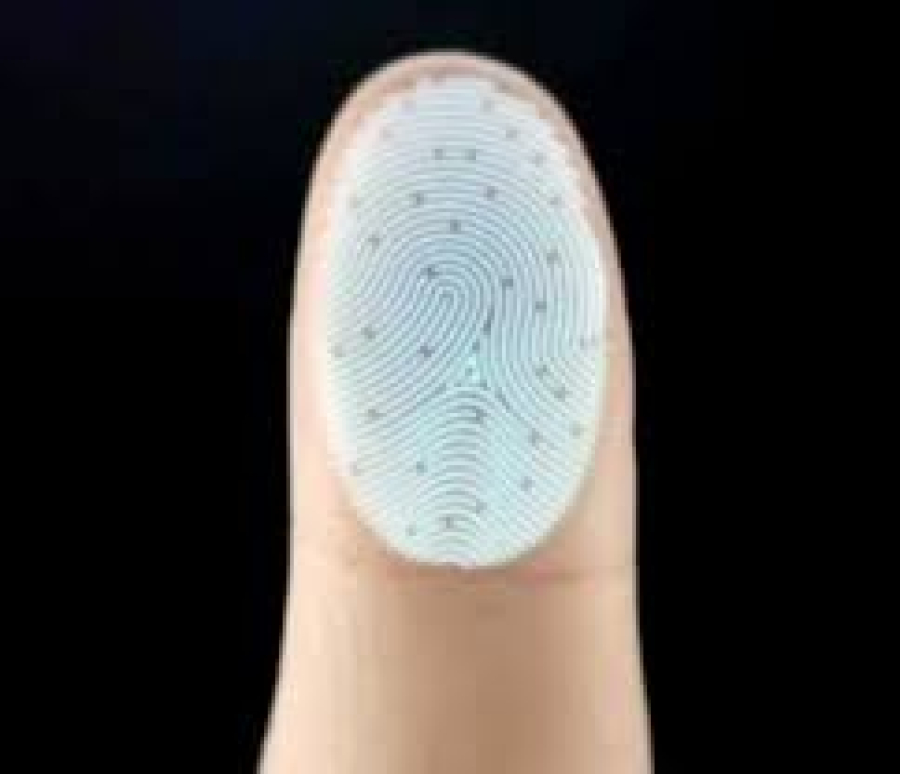
The verse emphasizes fingertips (banānah) specifically, rather than just bones.
This is striking because modern science has discovered that fingerprints are unique to every individual, even between identical twins, and play a crucial role in personal identification.
Today, fingerprints are used worldwide in:
• Forensic science
• Biometric security
• Identity verification
At the time of the Qur’an’s revelation, fingertips held no known special significance beyond being part of the hand.
Highlighting them as a symbol of precise recreation strongly aligns with what we now know about their uniqueness.