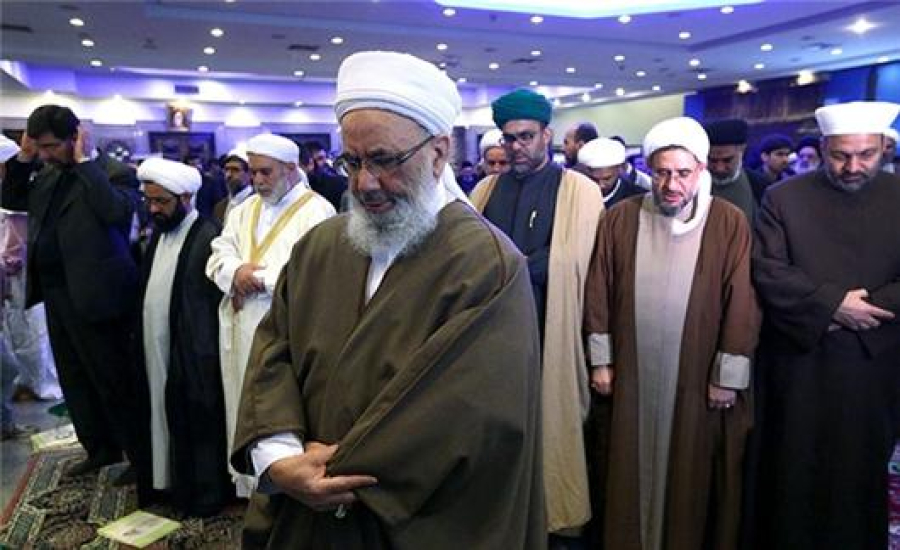
From a rational perspective, acts of worship are tawqīfī (strictly defined by revelation), meaning they must be performed exactly as the Prophet ﷺ practiced them. Any additional action requires clear evidence. If folding the hands were obligatory or a confirmed Sunnah, there would be a clear, unanimous command from the Prophet — yet such unanimity does not exist.
From the Qur’anic perspective, Allah says:
> “Establish the prayer.” (Qur’an 2:43)
The verse commands the establishment of prayer but does not prescribe specific postures like hand-folding. Therefore, the details must be derived from verified prophetic practice.
From authentic Sunni sources:
Ṣaḥīḥ Muslim reports from ʿAbdullāh ibn al-Zubayr that the Prophet ﷺ let his hands hang freely during prayer.
Imam Mālik, in al-Muwaṭṭaʾ, explicitly states that sending the hands down (irsāl al-yadayn) was the practice of the people of Madinah. Thus, the Shiʿi method is neither an innovation nor unusual; rather, it reflects one of the earliest Islamic practices.