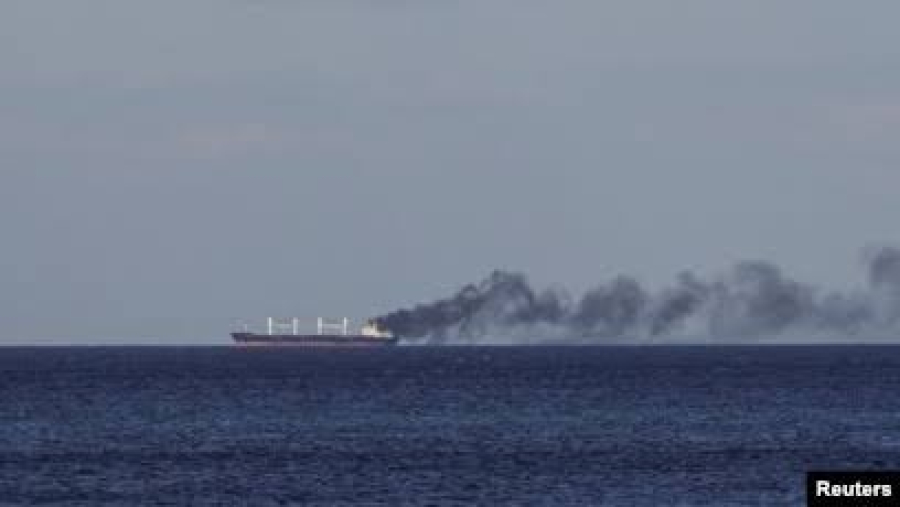
The reports of explosions and fires involving several oil tankers within a short span of time extend beyond mere military concerns; such incidents have the potential to impact the global economy. Faced with escalating security threats, shipping companies, insurers, and energy traders are compelled to reassess the costs and risks associated with operating in the region. Rising insurance premiums, delays in vessel movements, and concerns regarding the continuity of oil supplies are among the potential consequences of intensifying maritime insecurity.
Should disruptions to transit through the Strait of Hormuz persist, there is a strong likelihood of increased volatility in energy markets and higher transportation costs. The magnitude of these impacts will depend on the duration of the disruption, the volume of supply at risk, and the market's reaction.
Consequently, the strategic importance of the Strait of Hormuz to Iran is not confined solely to its military dimension; this waterway also holds a significant position within the global economic landscape.
At the same time, a sustained rise in shipping costs and disruptions to energy flows could adversely affect the economies of regional nations as well as Iran’s own economic interests. Therefore, maintaining a defensive deterrent and preventing the spread of insecurity are two objectives that must be pursued concurrently.