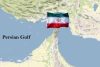
The destruction of an enemy unmanned surface vessel (USV), coupled with reports of explosions and fires involving four oil tankers in areas of the Strait of Hormuz designated as unauthorized, has once again underscored the strategic importance of this waterway within the region's security landscape. According to statements from the Iranian Army Navy and the Islamic Revolutionary Guard Corps (IRGC) Navy, these incidents occurred after the vessels failed to heed maritime warnings. Beyond their immediate military implications, these developments could impact energy security, shipping costs, and U.S. strategic calculations regarding potential confrontation with the Islamic Republic of Iran.
From Warnings to Incidents: An Account of Recent Developments in the Strait of Hormuz
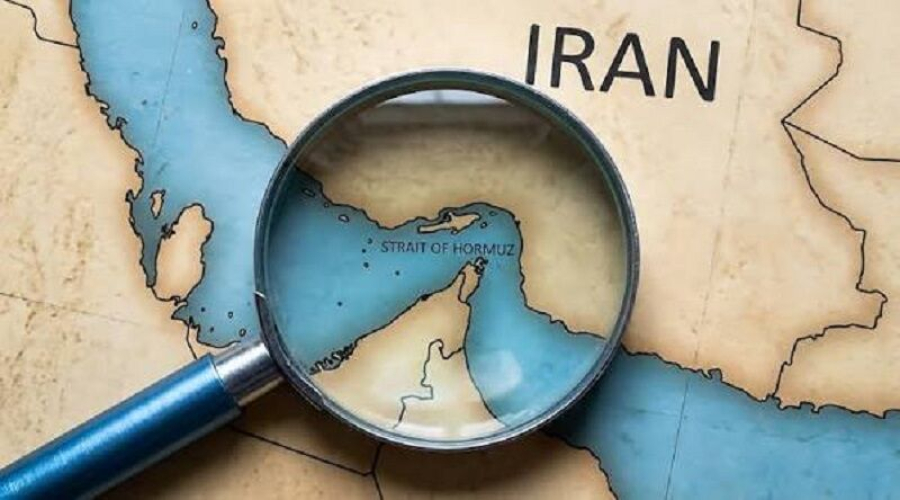
The Strait of Hormuz has once again emerged as a primary focal point for security-related confrontation in the region—a nexus where the geographical positioning, military capabilities, and economic interests of both regional and extra-regional powers converge.
A statement from the Public Relations office of the Islamic Republic of Iran Army Navy reported that an enemy unmanned surface vessel (USV)—operating within the operational zone east of the Strait of Hormuz—was targeted and destroyed. The statement further noted that two offending oil tankers, which had deactivated their tracking systems while navigating through prohibited and unsafe zones, struck naval mines, resulting in damage and subsequent fires.
Additionally, the Public Relations office of the IRGC Navy reported similar incidents involving other oil tankers. According to a statement released on the 8th of Aban [October 30/31], a fourth oil tanker—having ignored radio warnings and attempted to transit through an unauthorized southern route in the Strait of Hormuz—was struck by an explosion and caught fire. According to this statement, the tanker in question was carrying over two million barrels of crude oil.
In statements issued by the armed forces, the deactivation of navigation and positioning systems, the disregard for warnings, and entry into areas designated as unsafe have been cited as the primary factors contributing to these incidents.
The Strait of Hormuz: Iran’s Geopolitical Trump Card
The significance of these recent incidents becomes clearer when considering the role of the Strait of Hormuz within the global economy and the defense strategy of the Islamic Republic of Iran.
This waterway serves as one of the world’s most critical energy transit corridors, through which a substantial portion of the crude oil and petroleum products from regional nations passes. Consequently, any disruption to maritime security or the flow of traffic through the Strait of Hormuz could impact energy markets, shipping costs, and the economic calculations of consumer nations.
Iran’s geographical position—its proximity to this waterway, combined with the naval capabilities of both the regular Army and the IRGC—provides the country with a significant capacity to monitor movements and defend its national interests. This geographical advantage gains even greater importance amidst rising tensions with the United States.
To maintain its presence and influence in West Asia, Washington emphasizes the continuity of maritime traffic and the security of trade routes. Conversely, Tehran views the presence of foreign militaries as a potential threat to its national security and regional stability.
Under these circumstances, any dispute regarding vessel transit routes or the operations of military assets can escalate from a technical matter into a strategic issue. The core takeaway from these recent developments is that the security of the Strait of Hormuz cannot be analyzed in isolation from the balance of power between Iran and the United States in the region.