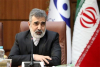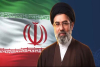
In an interview with a Mehr News Agency reporter, Ahmad Rastineh—assessing the quadrilateral meeting between Iran, Pakistan, Turkey, and Saudi Arabia regarding regional security and stability—stated: "The presence of officials from key regional nations—including Saudi Arabia, Turkey, and Pakistan—in Iran carries significant implications for political and security developments in the region. It demonstrates that U.S. claims regarding the destruction of the Islamic Republic of Iran’s power are nothing more than propaganda and psychological warfare."
He added: "This meeting has once again highlighted the central position of the Islamic Republic of Iran within the regional power dynamic, confirming that Iran remains a primary and influential actor in shaping the region's security and political architecture."
Indigenous Regional Security: Realizing a 47-Year-Old Ideal of the Islamic Revolution
A member of the Presiding Board of the Parliament’s Cultural Commission, noting the importance of the regional states' approach toward collective security, remarked: "A key takeaway from the Tehran meeting is that regional nations are gradually shifting toward a new model of security cooperation—a model that the Islamic Republic of Iran has championed since the very inception of the Islamic Revolution."
Rastineh continued: "For 47 years, a core tenet of the Islamic Revolution’s discourse has been that regional security must be secured by the nations of the region themselves, and that any interference or hegemonic presence by foreign powers in regional security affairs must come to an end."
He emphasized: "This strategic vision stands as a significant achievement of the Islamic Revolution, led by Imam Khomeini (RA). Today, we see that the concept of 'indigenous security'—as a vital pillar for achieving regional stability—is receiving greater attention from regional states than ever before." The representative for Shahrekord in the Parliament noted: "Countries in the region are gradually coming to realize that security built upon reliance on foreign powers will not only lack sustainability, but in many instances, it becomes a tool to serve the interests of outsiders and perpetuate their dominance over the resources and wealth of the region's nations."
**The Tehran Summit: The Beginning of the End for U.S. Plunder of Regional Resources**
Stating that the Tehran Summit could serve as a turning point in regional security relations, Rastineh remarked: "This summit should be viewed as the beginning of the end for the plunder of the resources and interests of regional nations by the United States and its affiliated proxies—a development that is the fruit of the Iranian nation’s steadfastness, its resistance against external pressures, and the strength of the Armed Forces of the Islamic Republic of Iran."
He added: "By relying on its own domestic capabilities and strategic potential, the Islamic Republic of Iran has demonstrated that it can withstand policies of pressure and threats, while simultaneously playing an effective role in strengthening regional cooperation and establishing new security mechanisms."
A member of the Presiding Board of the Parliament’s Cultural Commission emphasized: "The Tehran Summit has once again highlighted the necessity of a strategic focus on relations with neighboring countries. Consequently, the expansion of political, economic, and security ties with nations in the region must consistently remain a top priority for the foreign policy of the Islamic Republic of Iran."
**The Necessity of Strengthening Strategic Ties with Emerging Powers and Expanding Multilateralism**
Referring to shifts within the international system, Rastineh continued: "Alongside the expansion of relations with neighbors, developing strategic cooperation with Russia, China, Brazil, India, and other nations that are moving toward policies of multilateralism holds particular importance." He added: Strengthening international and regional cooperation mechanisms—such as the Shanghai Cooperation Organization (SCO) and the BRICS group—alongside the establishment and expansion of joint forums among regional nations, must be placed firmly on the foreign policy agenda of the Islamic Republic of Iran.
The representative for Shahrekord in the Parliament stated: Moving toward multilateralism and bolstering independent regional cooperation can pave the way for reducing reliance on extra-regional powers and fostering an order based on the shared interests of nations.
**US Policy of "Iranophobia" Nearing Its End**
Referring to US policies toward the Islamic Republic of Iran and regional states, Rastineh remarked: The US strategy of exerting pressure and threats against Iran—as well as its attempts to sow division among regional countries—is nearing its final stages.
He continued: The policy of "Iranophobia"—pursued in recent years with the aim of isolating the Islamic Republic of Iran and preventing the expansion of regional cooperation—is gradually losing its efficacy. Regional nations are increasingly recognizing the necessity of direct cooperation with Iran.
A member of the Presiding Board of the Parliament’s Cultural Commission, predicting the emergence of new security arrangements in the region, emphasized: We will soon witness the formation of a regional coalition dedicated to ensuring security and stability, with the Islamic Republic of Iran at its core—a coalition that could lead to a diminished role for foreign powers in the region's security dynamics.