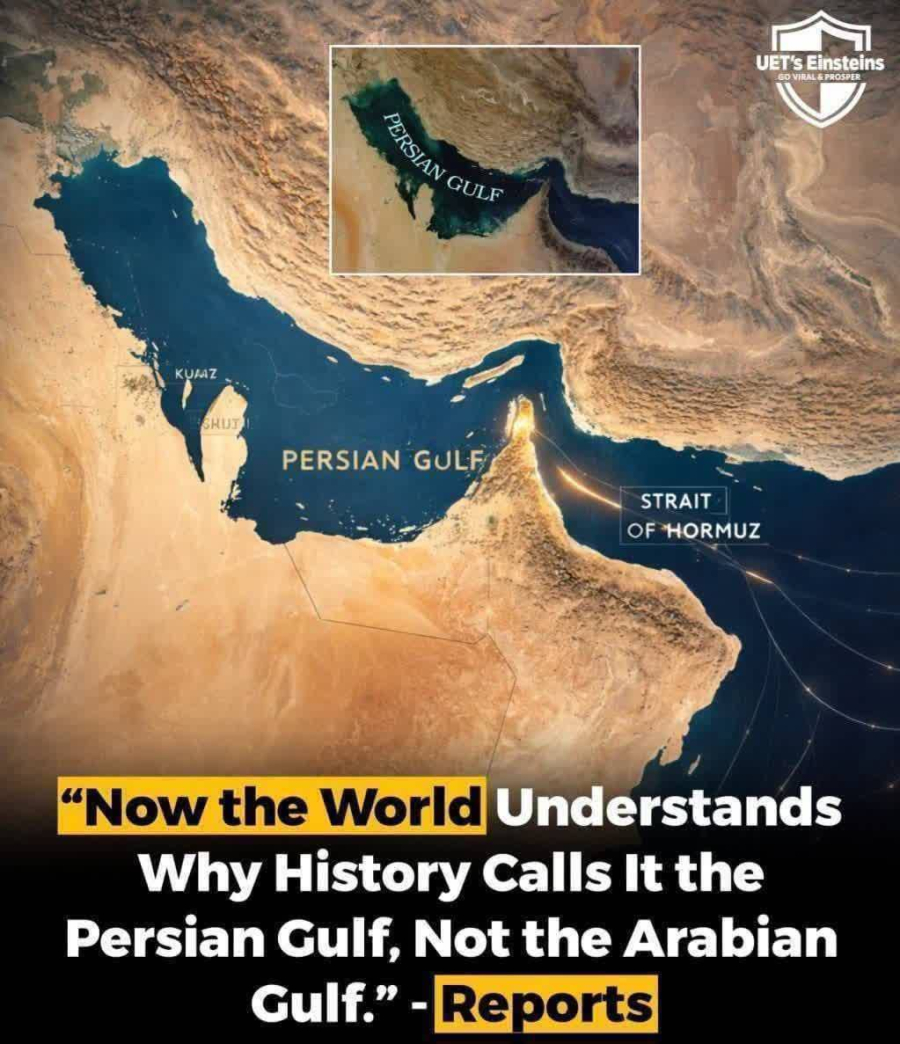
The Strait of Hormuz is open to you, if the owner wants it.
Australian author and researcher Tim Anderson: The Strait of Hormuz is open. It has been open every day since February 28. The IRGC never closed it, but instead turned 21 miles of international waterway into a gateway with permits, tolls, an approval process and a guest list. Traffic has dropped by 70 to 80 percent. But the handful of tankers that pass through each day do so with IRGC permission, paying $2 million to $4 million per vessel, paid in yuan or USDT.
The process is now documented. A tanker operator contacts an intermediary linked to the IRGC. The operator provides information on the vessel’s ownership, country of registry, cargo manifest, destination, crew list and Automatic Identification System (AIS) data. The IRGC conducts background checks: no US-related ownership, Israeli cargo, or registration in the name of aggressor countries. If approved, fees are negotiated. Payment is made in cash, Chinese yuan, or USDT on the Tron network. The IRGC issues a VHF radio license with a specified time slot and route through Iranian territorial waters near Lark Island, where the IRGC Navy conducts visual verification. The ship passes. No physical escort is provided. Protection means removing the threat of interference. You are safe because the entity that was attacking you has decided not to attack.
China passes. India passes. Pakistan, Turkey, Malaysia, Iraq, Bangladesh pass. Shadow fleet operators aligned with Russia pass. Not all pay the full fee. Some are exempt through government-to-government agreements. Some pay at a reduced rate. Some pay nothing, because geopolitical alignment is worth its weight in gold. This system is not a blockade. It is a membership club with an entrance fee, paid in currencies other than the US dollar.*
And that is what no one covers. Lloyd’s of London and the International Insurance Market have removed standard hull and machinery cover for passage through Hormuz. War risk policies now carry a premium of up to 5% of the value of the ship, or $5 million per voyage for a $100 million tanker. But the actuarial models that price these premiums now include IRGC approval status as a risk-reducing variable. If a ship can prove it has paid its dues and received a VHF license, the probability of loss drops from more than 20% to less than 5%. The same models that price hurricane and earthquake risk now price IRGC compliance as a safety factor.*
The insurance industry has done what no government has ever intended: it has institutionalized the IRGC’s control over the strait into the actuarial mathematics. A tanker that pays its tolls is insurable. A tanker that doesn’t is grounded. Dozens of ships are currently stranded outside the strait, unable to pass because no insurer will cover them. The withdrawal of insurance is not a market reaction. It is a structural enforcement mechanism that makes IRGC permits a prerequisite for commercial shipping.
Every toll paid in yuan is a barrel settled outside the dollar system. Every USDT transaction on the Tron network is a three-second settlement that bypasses SWIFT and sanctions. The Iranian parliament is drafting legislation to formalize the tolls as security compensation. If the bill passes, the temporary levies will become sovereign law, and the history of revenue generation from bottlenecks will be brought into the framework of international law.
Gold is watching from the sidelines. Spot prices have been squeezed between $5,000 and $5,400, driven by the strength of the dollar and rising yields, while the central banks of China, Russia and India have been quietly adding to their reserves with each price drop. The short-term safe haven has not been activated. The long-term process of de-dollarization is underway.
The strait is open. Bars move. But only for those who pay the levies, in a currency that accepts levies, after confirmation that it does levies. The rest wait. Hours...